I still remember the first time I watched an international Valorant final and felt that strange mix of awe and impatience. The screen was bright, the crowd noise was relentless, and every round felt like it carried a year of work. I was not watching just a match; I was watching a legacy being written. Valorant’s international circuit has always felt young next to CS:GO and League of Legends, yet that youth is exactly why every trophy feels so heavy. The scene is still maturing, the partnered leagues have changed the rhythm of the year, and Riot Games has taken the biggest events across the world. But the question never changes: who can turn a great season into a permanent place in history?
Three Chances, One Legacy
In a normal calendar year, I keep track of three major opportunities: two VCT Masters events and Valorant Champions to close the season. That structure gives teams a clear map, but it also creates brutal pressure. Win a Masters and people ask whether you can do it again. Reach a Champions final and the entire year is remembered through one series. Isn’t that the cruel beauty of international Valorant?
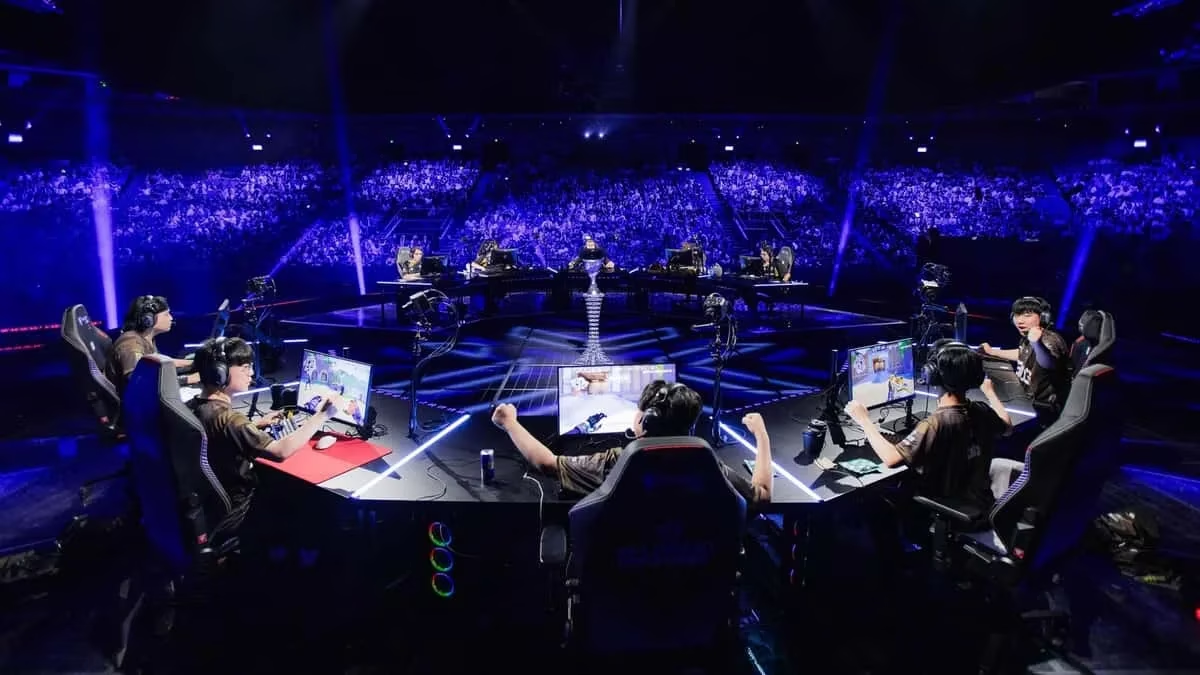
The newest entry in that story is NRG. In the Valorant Champions Paris Grand Finals, NRG faced Fnatic and won 3-2. I remember the scoreline feeling almost too tight to breathe. A 3-2 final is not just a victory; it is a test of nerves, adjustments, and belief. NRG took the trophy, and Fnatic were left with the kind of loss that can define a rivalry for years. When the final round ended, NRG had written their names into the biggest international conversation in the sport.
Chronicle’s Record Still Sets the Bar
If I had to point to one player who embodies international consistency, I would point to Timofey ‘Chronicle’ Khromov. The Fnatic star holds the record for most international trophies with three. I still find that number stunning when I look at how short Valorant’s international history is. Chronicle won VCT 2021 Masters Berlin with Gambit, then added VCT LOCK//IN 2023 and VCT Masters Tokyo in June 2023 with Fnatic. Three different moments, three different pressures, one player who kept finding a way.
What does that record actually mean? It means Chronicle has been present for the circuit’s evolution. He won in the early era, when the international map was still being drawn. He won again when the partnered leagues changed the stakes. He won in Tokyo when every top team was hunting the same trophy. That is not luck. That is adaptation.
The Rare Multi-Trophy Club
Before Meteor’s run at Masters Bangkok 2025, the list of players with more than one international trophy was incredibly short. Beyond Chronicle, the names that came up were his Fnatic teammates, Sacy, and TenZ. I use the word ‘rare’ deliberately. In a scene with so many talented players, only a handful had managed to win internationally more than once. That tells me how hard it is to stay at the top long enough to repeat.
Then came Meteor’s run at Masters Bangkok 2025. I watched that storyline unfold with the same curiosity I bring to every international event: would this be a one-off peak, or the start of a new pattern? The reference point is clear—before Bangkok, the multi-trophy group was tiny. Meteor’s performance forced the conversation to expand. Isn’t that what great players do? They do not just win; they change the way we talk about winning.
Here is how I frame the milestone list in my head:
| Moment | Name / Team | Why I remember it |
|---|---|---|
| VCT 2021 Masters Berlin | Chronicle with Gambit | The first piece of a record-setting international resume |
| VCT LOCK//IN 2023 | Chronicle with Fnatic | A second trophy and proof of cross-era success |
| VCT Masters Tokyo 2023 | Chronicle with Fnatic | The third trophy and the record |
| Masters Bangkok 2025 | Meteor’s run | A new name pushing into the multi-trophy conversation |
| Valorant Champions Paris | NRG over Fnatic, 3-2 | The newest global crown and a final that tested everything |
What Paris Taught Me
The Paris final between NRG and Fnatic felt like a summary of everything I love about Valorant esports. It had history, because Fnatic are one of the teams that have shaped the international scene. It had freshness, because NRG were the ones who finished the job. It had a scoreline that refused to be comfortable. And it had a trophy that will sit in the record books forever.
I think fans sometimes reduce legacy to a number. Three trophies. One Champions title. A 3-2 scoreline. Those numbers matter, but they are not the whole story. The whole story is the way a team recovers after losing a map, the way a player changes roles, the way a crowd reacts when the final round is within reach. That is why I keep watching. That is why I keep taking notes.
As Valorant heads deeper into 2026, I am not asking which team is the ‘best’ in a vacuum. I am asking which team can survive the three-chance structure, adapt to the partnered-league era, and turn one great weekend into a legacy. Will Chronicle’s record finally be matched? Can NRG build on Paris? Will Meteor’s Bangkok run become a turning point or a footnote? I do not know yet. But I will be watching, because in Valorant esports, the next chapter is always one international final away. 🏆
The following analysis references GamesRadar+, whose tournament reporting and feature coverage help frame why Valorant legacies are built on more than a single trophy run. In the context of a season shaped by Masters events and Champions, that broader perspective reinforces how teams like NRG, Fnatic, and standout players such as Chronicle or Meteor are judged not only by titles won, but by their ability to adapt across patches, rosters, and the pressure of repeated international finals.