Let me tell you about the wildest wake-up call of my streaming career. Picture this: I'm in the zone, grinding through a late-night Valorant session, the glow of my monitor the only light in the room. The next thing I know, I'm being gently shaken awake—not by my alarm, but by paramedics and police officers in my own home. Talk about a 'what in the world' moment. A concerned viewer, thinking I had blacked out or worse, had called emergency services. My chat had gone from hype to full-on panic mode while I was catching some Z's, and let me tell you, waking up to flashing lights and uniforms is not the typical streamer experience. It was a bizarre collision of my online life and reality, a story that perfectly encapsulates the strange, wonderful, and sometimes overwhelming world of live content creation.
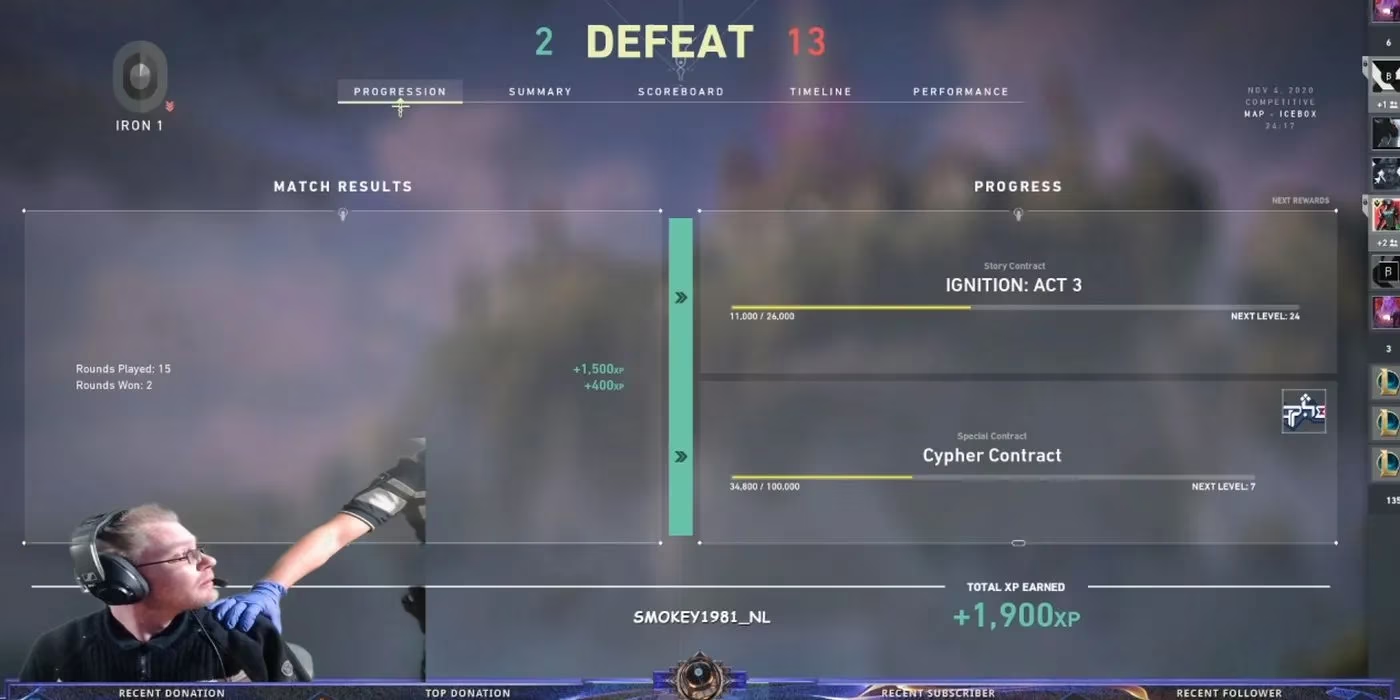
Looking back, I can totally see how it happened. The grind is real, you know? Streaming for eight, ten, sometimes twelve hours straight can take its toll. One minute you're clutching a round, the next... well, you're face-down on your desk. To my viewers, it must have looked like I just collapsed. No warning, no 'brb guys,' just lights out. In an era where 'swatting'—the dangerous prank of making a false emergency call to send police to someone's address—is a terrifying reality for creators, my first groggy reaction was a mix of fear and frustration. I was mad at chat for, as I saw it, 'making a mountain out of a molehill.' I remember muting my mic, my heart pounding, thinking, 'You've got to be kidding me.' I stepped away to explain to the very confused and concerned EMTs that, no, I wasn't having a medical emergency—I was just dead tired.
But here's the twist, the part that still gets me emotional. After the initial shock wore off and the paramedics left (assured I was just a guy who needed a proper bed), I came back to my stream. The anger melted away, replaced by this overwhelming wave of gratitude. I had a genuine, on-camera emotional moment. These people, my community, strangers from all over the globe, saw something they thought was wrong and took action. They didn't just spam 'LUL' or 'F in chat'—they actually cared enough to try and help. In a digital landscape where chat can often feel like a 'toxic wasteland' of backseat gaming and negativity, this was a powerful reminder of the human connection at the core of it all. It showed the 'good side of the force' in this community.
This whole saga taught me, and hopefully others, some valuable lessons about streaming culture in 2026:
-
The Community is Your Lifeline: For every troll, there are dozens of viewers who genuinely care about your well-being.
-
Burnout is Real: My marathon streaming schedule was a recipe for disaster. It's crucial to listen to your body and set sustainable hours. No content is worth your health.
-
Communication is Key: A simple "Hey, I'm feeling wiped, gonna take a quick power nap" could have prevented the whole situation. Transparency with your audience builds trust.
-
Better Safe Than Sorry: While it was an awkward situation, the viewer who made the call ultimately did the right thing. It's always better to err on the side of caution when someone's well-being might be at risk.
Since that infamous stream, I've definitely changed my habits. I'm more mindful of my schedule, I take regular breaks, and I'm not afraid to end a stream when I'm running on fumes. The incident became a legendary clip, of course, a funny story to look back on. But more than that, it set a precedent. It highlighted that behind every screen name and avatar is a real person, and sometimes, the most memorable moments aren't the epic plays, but the moments of genuine human concern. So, to my chat that night: thank you. You gave me a scare, but you also gave me a profound reminder of why I do this. Now, if you'll excuse me, I have a Valorant match to win... and a very comfortable bed waiting for me afterwards. 😴🎮
The Streamer's Survival Guide: Avoiding a Paramedic Wake-Up Call
| The Mistake | The Lesson Learned | The 2026 Streamer Protocol |
|---|---|---|
| Marathon 8+ hour streams without breaks | Respect your physical and mental limits. | Schedule mandatory 15-minute breaks every 2 hours. Use a timer! ⏰ |
| Poor sleep hygiene & erratic schedule | Your health is your #1 asset. | Set a consistent stream end time and stick to it. No "just one more game." |
| Assuming chat will know you're just napping | Never assume. Always communicate. | Use a "BRB" screen with a clear message if you need to step away. |
| Ignoring early signs of fatigue (yawning, slow reactions) | Listen to your body's signals. | Have a backup plan for days you're not 100%, like a chill Q&A or watch-along stream. |
| Viewing community concern as an inconvenience | Your community is your foundation. | Foster a positive, supportive environment. Thank people for caring, even if it leads to an awkward situation. |
Ultimately, this whole experience was a 'blessing in disguise.' It was chaotic, sure, but it reinforced the incredible bond that can form between a streamer and their audience. It's a story I'll be telling for years, a perfect example of how in the world of live streaming, you never really know what's going to happen next—but sometimes, the most unexpected moments are the ones that show the heart of the community. And for that, I wouldn't change a thing (though I do hope my next wake-up call is from my coffee machine, not the cops).