April 2020 was a month that still echoes through Twitch history six years later. The platform saw its highest viewership peaks, a scandal that tested community trust, and the chaotic birth of a gaming phenomenon. Looking back from 2026, those thirty days capture a snapshot of streaming culture at its most volatile and vibrant.
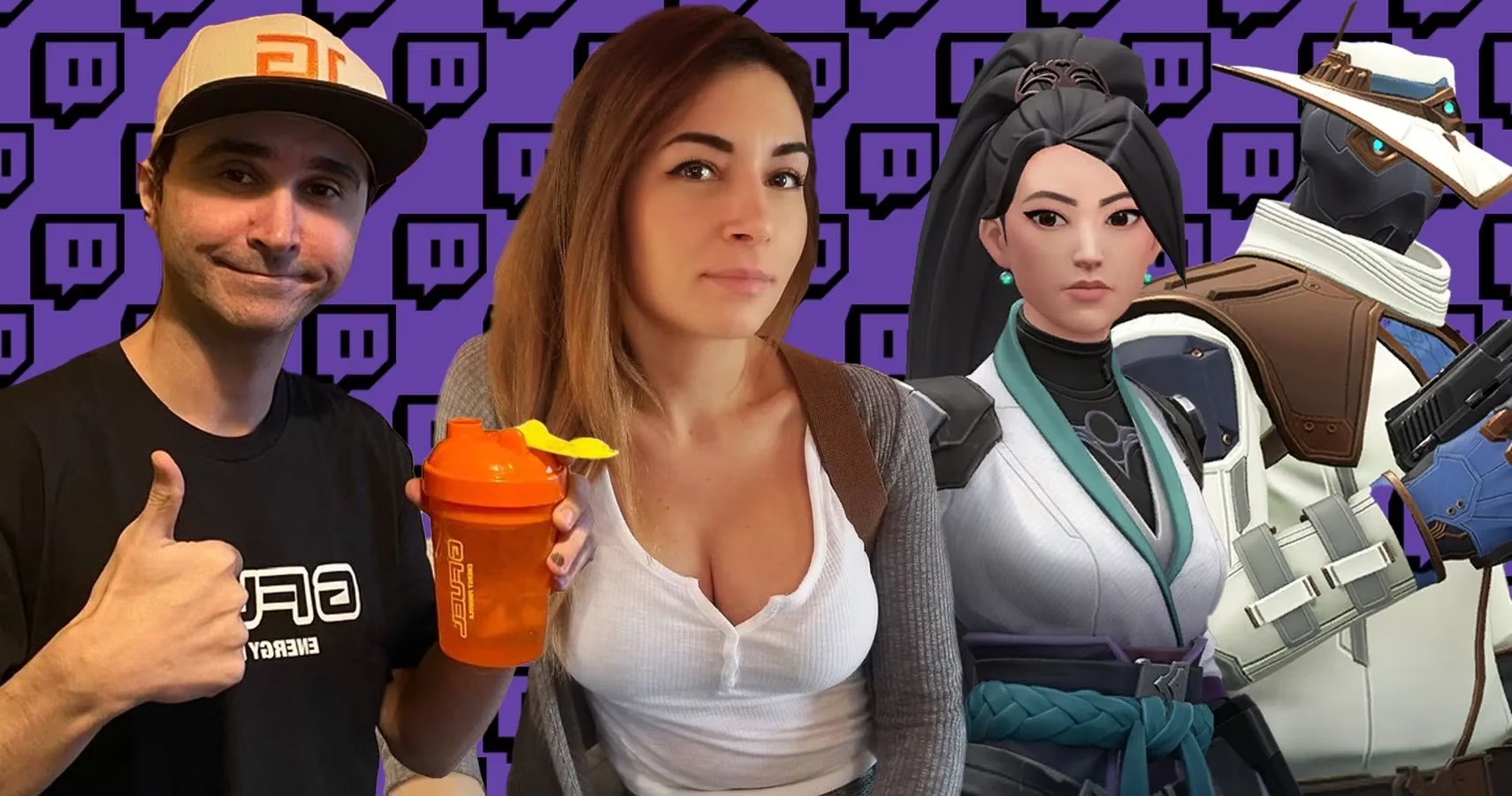
That spring, the world was stuck indoors, and Twitch became the town square. Records tumbled as millions flocked to watch their favorite creators. But no one was prepared for what happened during one Just Dance stream.
🚨 The Slip Heard Around the Internet
Alinity, a streamer already familiar with controversy, was mid-dance when she adjusted her shirt. A simple motion turned into a nightmare. The fabric lifted higher than intended, and for a split second, her bare breast was visible to thousands of live viewers. The clip spread like wildfire before she could delete the VOD.
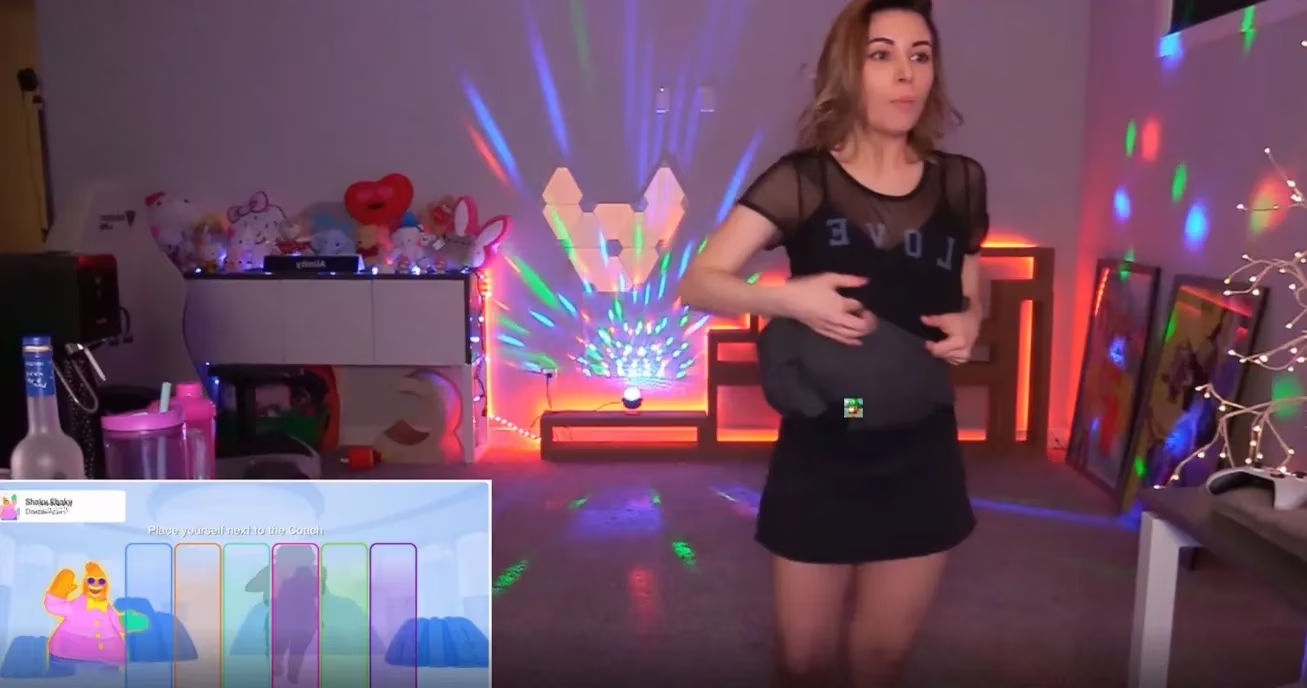
She acted fast, but the internet is faster. Within minutes, the moment was archived, memed, and plastered across every social platform. The big question loomed: would Twitch finally ban her? Detractors called her a staff favorite protected by invisible ties. After all, nudity was among the highest offenses. Yet when the suspension hammer fell, it landed with a thud — just one day.
Viewers were stunned. A first-time offense usually means three days or a week. Alinity, however, was back in 24 hours. She voluntarily stayed offline for three days, honoring a self-imposed exile. Her response to the chaos was curiously deft: she refused to apologize to haters while gleefully surfing the wave of jokes. The controversy fizzled faster than anyone expected. Even so, the incident deepened the conversation about Twitch’s uneven enforcement, a debate that still flares up in 2026.
🔫 VALORANT Ignites a Frenzy — and a Crisis
Riot Games lit a fuse when it tied VALORANT closed beta access to Twitch drops. To get a key, viewers had to watch streams marked with "drops enabled." Overnight, the category exploded. Big names like LIRIK, Nadeshot, and xQc drew enormous crowds, each gameplay session a magnet for hopeful fans. Even music producer Zedd used the hype to host his first-ever Twitch stream.
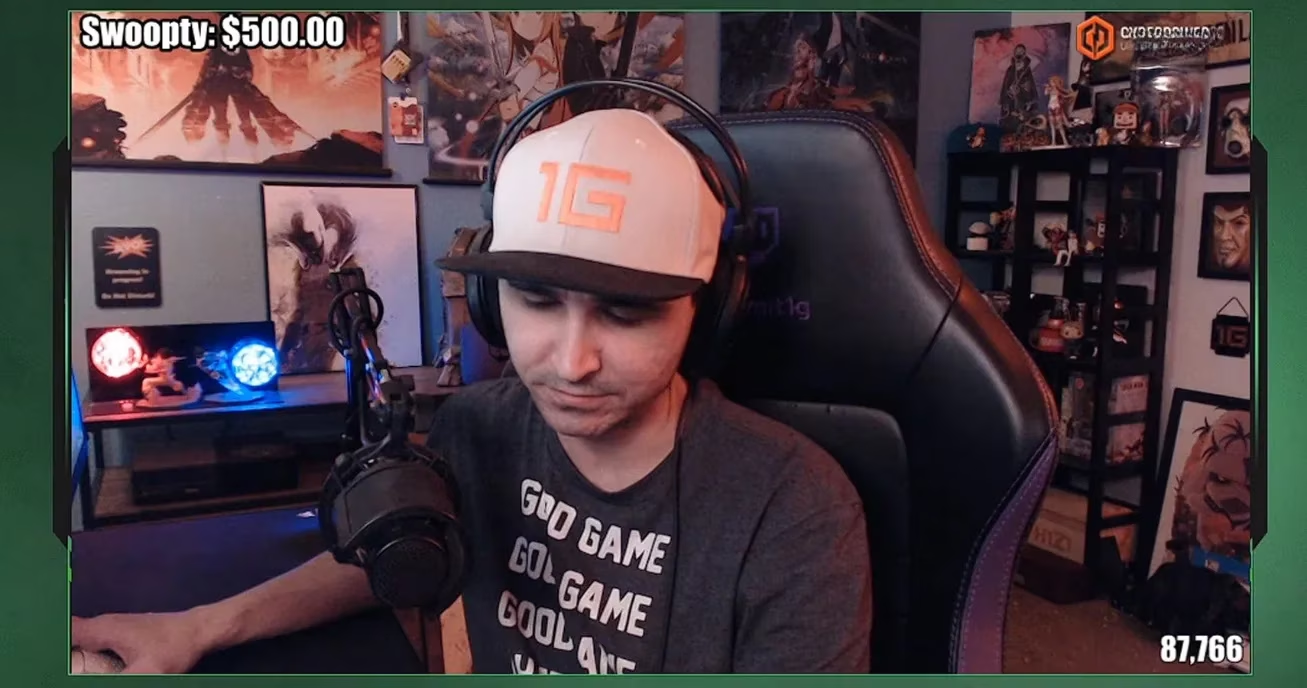
But the gold rush had a dark side. Bot accounts farmed keys relentlessly. Wannabe streamers ran 24/7 loops of old footage, tricking viewers into thinking drops were active. Summit1g and Devin Nash openly criticized the mess, warning that the manipulation threatened Twitch's credibility. Dr Disrespect himself got caught up, falsely claiming his channel had drops enabled while chasing the hype.
Numbers soared in the short term. Twitch and Riot celebrated eye-popping concurrent viewer records. Yet the fake account plague left lasting scars — by 2026, platforms deploy far stricter anti-bot measures, a direct lesson from that chaotic beta.
🥊 The Competition Keeps Punching
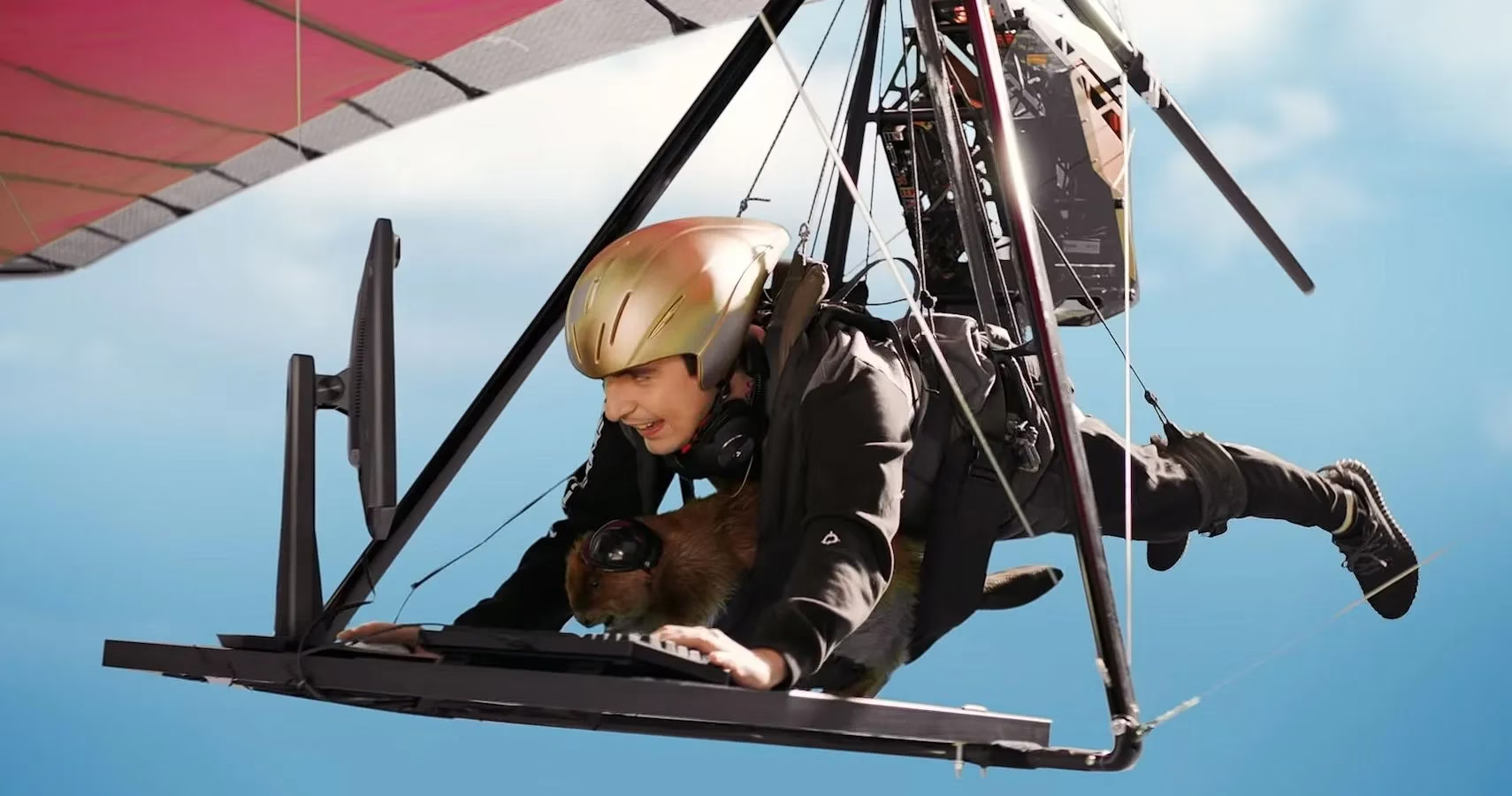
While Twitch wrestled with its own tornado, rival platforms were staging their own shows. Shroud, now a Mixer star, partnered with Microsoft for a creative Xbox Game Pass for PC ad. Fans loved the polished spot, a reminder that the ex-CS:GO pro still commanded attention. He also proved his skills hadn't faded, pulling off a stunning 5-player ace in VALORANT over on Mixer.
Ninja, meanwhile, grappled with plunging viewership after his own Mixer move. Jokes about his declined relevance stung. He fired back with a cringeworthy boast — claiming he was rich enough to buy his haters' banks and foreclose on their houses. It was a rare crack in his polished persona. Around the same time, Tfue leaked MrBeast's phone number during a spat, abruptly shutting down a charity tournament. Drama swirled like a permanent storm.
Then, out of nowhere, came the return of DisguisedToast. Signed to Facebook Gaming, he sent a single cryptic tweet: "I'm going live on Twitch." Over 20,000 fans flooded his channel, baffled but excited. He appeared, smirked, and announced he simply felt like streaming on Twitch on a whim. Minutes later, he plugged his new e-dating series — which would continue exclusively on Facebook. It was a masterclass in chaotic promotion.
🌪️ Aftermath and Legacy
April 2020 left Twitch in a peculiar position. VALORANT delivered record traffic, but the fake views scandal raised uncomfortable questions. Alinity’s slap-on-the-wrist ban fueled endless jokes about platform favoritism. Competitors like Mixer and Facebook Gaming nibbled at the edges, yet none could dislodge Twitch from the limelight.
The month taught the streaming world hard truths: explosive growth invites exploitation, controversies can be weathered with enough humor, and audiences remain fiercely loyal to personalities over platforms. Looking back from 2026, those chaotic weeks feel like a time capsule — a moment when streaming culture was simultaneously reaching new heights and revealing its wildest flaws.
April 2020 may have been madness, but it was the kind of madness that keeps Twitch’s throne secure.