Back in April 2020, when the world was locked indoors and craving fresh competitive experiences, Riot Games had just thrown open the gates to a select few for the closed beta of Valorant. The air was electric with anticipation. On one fateful evening, a Twitch streamer—one of the lucky drop recipients—was experimenting with Cypher, the Moroccan sentinel whose surveillance tools were meant to gather intel, not eliminate targets. They casually dropped a Classic pistol near one of Cypher's Spycam devices, expecting nothing more than a chuckle. What happened next sent shockwaves through the fledgling community: the camera picked up the gun. It could shoot. It could kill. The tiny, innocent-looking gadget had transformed into a silent assassin, capable of gunning down unsuspecting enemies from its perch on a wall. Clips of the exploit rocketed across gaming forums and social media within hours.
Players quickly learned how to replicate the glitch. In a game where precise gunplay and ability usage defined every round, this bug tipped the scales in absurd ways. Defenders on Haven could place a camera in a shadowy corner, arm it with a handgun, and ambush attackers without ever exposing their own agent. It was hilarious at first, but the novelty wore thin as matches descended into chaos. The community buzzed with a mix of amusement and frustration—some demanded immediate action, while others simply marveled at the creativity of the bug. Riot's development team, however, was already watching.
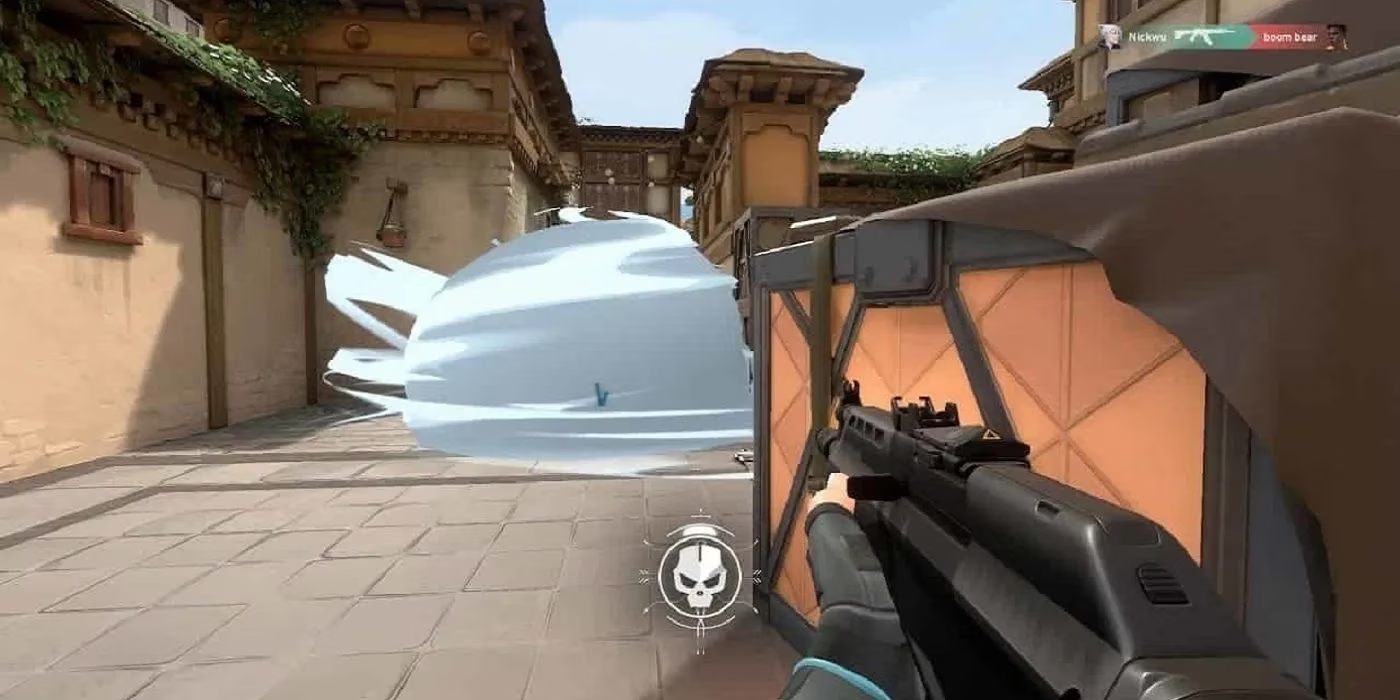
Within days, a hotfix dropped. The patch notes were succinct but carried a weighty line: Cypher's camera was now “less lethal under certain... circumstances.” A wave of relief washed over the beta testers. The same update also fixed an audio bug that had been cutting out after consecutive matches and patched several map exploits that players had already begun to uncover. The speed of this response became a defining moment. It signaled that Riot was not merely observing the beta from a distance; they were actively listening, ready to preserve the integrity of the game even in its earliest stages.
Those were hectic days for the Valorant team. Twitch viewership numbers were staggering—millions of eyeballs were glued to streams, waiting for a coveted beta access drop. Every match played, every bug discovered, was under a massive microscope. The pressure to deliver a polished experience before the promised summer launch grew heavier with each passing day. The Cypher camera exploit was a high-profile example, but it was far from the only challenge. Just earlier that week, a new map named Ascent had leaked through promotional materials, hinting at a Venetian-inspired playground of tight corridors and an open middle area. The community buzzed with speculation: would Ascent arrive during the beta, or would it be saved for the full release? Either way, it promised to introduce an entirely new set of potential exploits that the developers would need to hunt down and squash.
The hotfix success story did more than just fix a bug. It built trust. Players began to see Riot not as a distant corporation but as a vigilant guardian of their experience. This philosophy of rapid, transparent fixes carried forward long after the beta ended and the full game launched in June 2020. Fast forward to 2026, and Valorant has evolved into a titan of the tactical shooter genre. The roster of agents has expanded dramatically; new maps like Breeze, Fracture, and the much-loved sunset-lit Lotus have joined the permanent pool. The esports ecosystem thrives with international leagues and a Champions event that fills arenas with roaring fans. Yet, the echoes of that early hotfix still resonate.
Today, Riot operates on a two-week patch cycle supplemented by emergency hotfixes when critical issues slip through. The Cypher camera mishap is now a piece of internet gaming folklore, retold by veteran players to wide-eyed newcomers. It serves as a reminder that no game, no matter how polished, is immune to the chaos of its player base's ingenuity. The 2020 beta was a crucible, and the team's ability to react in hours rather than weeks set a gold standard. Agents have come and gone in the meta; weapons have been buffed and nerfed; but the commitment to keeping matches fair and fun remains unwavering. What began as a tiny tripod device picking up a pistol became a testament to the living, breathing relationship between a game and its community—a relationship built on swift, decisive action when things go wonderfully, hilariously wrong.