Back in early 2020, the gaming world was buzzing with grainy screenshots and cryptic teasers. Fast forward to 2026, and it’s almost impossible to imagine the competitive shooter landscape without Valorant. But that journey from a mysterious Riot Games project to a cornerstone of modern esports was anything but guaranteed. The original announcement confirmed a summer 2020 release date, and the community immediately started asking: Could a tactical hero shooter really carve out a space between Counter-Strike: Global Offensive and Overwatch?
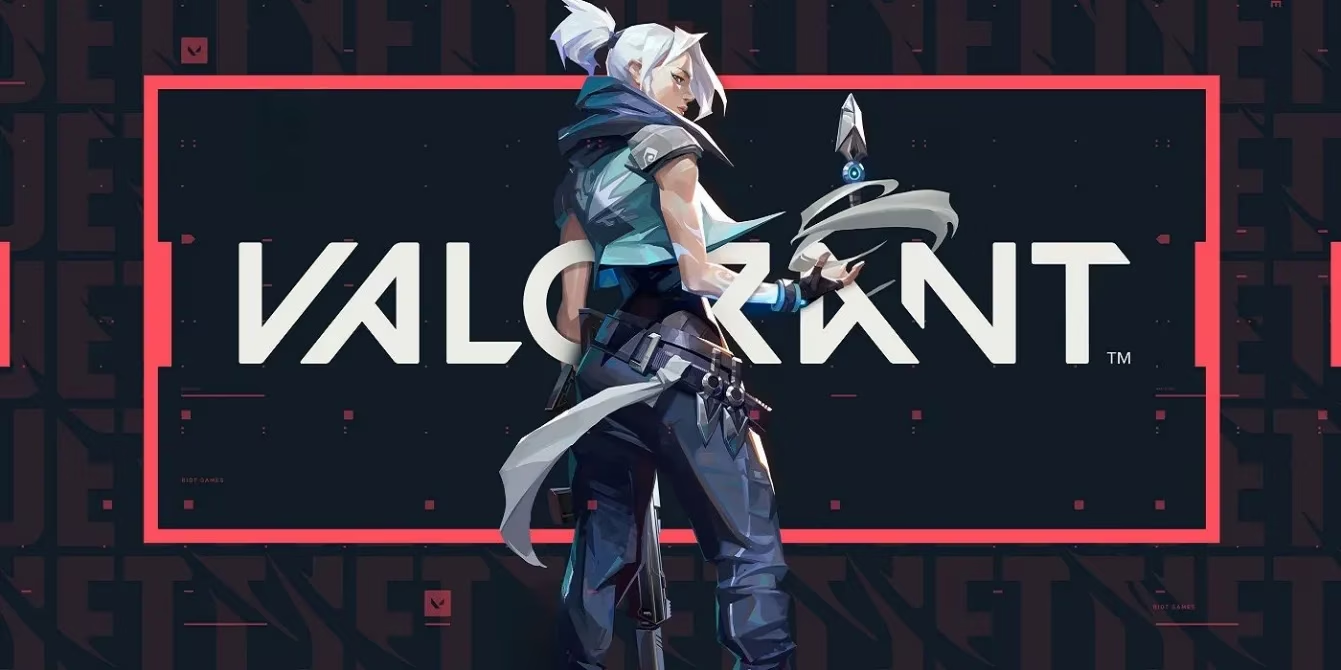
The first official trailer dropped like a bombshell, accompanied by news of a closed beta. Riot kept the exact beta date under wraps initially, but insiders like Rod Breslau hinted at a high-profile event with streamers and pros between March 10-12, 2020. The speculation was that promotional footage filmed there would lead directly into the beta — meaning anxious fans were likely only weeks away from their first hands-on experience. That kind of controlled hype building, refined through years of League of Legends operations, showed just how seriously Riot was treating this franchise launch.
Remember when Legends of Runeterra surprised everyone with an early open beta? Riot had a habit of lowering barriers when excitement peaked. Many wondered if Valorant would follow the same path. Back then, the article noted, “There’s also potential that Riot will raise the barriers early like it did with its other new game.” That sentiment captured the hope that the accessibility would come sooner than expected. And why wouldn’t they want to accelerate? The competitive field was daunting. CS:GO had just gone fully free-to-play, breathing new life into its playerbase, while Blizzard teased Overwatch 2 on the horizon. Valorant needed to prove it wasn’t just “a strange mix of Counter-Strike’s map style with Overwatch’s hero abilities.” The beta was the only way to let players feel the difference — that unique gunplay-first philosophy where abilities complement aim, not replace it.
Looking back from 2026, the beta was more than a trial run; it was the crucible that forged Valorant’s identity. Early feedback led to swift adjustments, a skill Riot had perfected with League’s constant balance patches. The original piece astutely observed that “Riot knows how to buff and nerf characters in League of Legends and it will now need to apply that with a new set of characters.” How true that turned out to be. Throughout these past six years, the agent roster expanded from those initial picks like Jett and Phoenix to over 25 unique characters, each redefining the meta in their own way. Patch notes became weekly rituals, and the community’s voice remained central in shaping the game.
The competitive ecosystem that was only a dream in 2020 is now a sprawling international circuit. The Valorant Champions Tour (VCT) has evolved into a global league format, with franchised teams and stadium-filling grand finals. When we first read that Riot planned to film promos with professional gamers in March 2020, few could have predicted that those early invitees would become legendary figures in a new esport. The game that skeptics once dismissed as an “Overwatch-CS:GO hybrid” now boasts one of the largest prize pools and most-watched tournament series in the world. Its success also proved the original free-to-play model wasn’t just viable — it could surpass even League of Legends in cultural reach among younger generations.
Reflecting on that pre-launch anxiety, it’s amusing to reread the cautious lines from the original report: “It’s unclear how successful Valorant will be and if the free to play game can make as many billions as League of Legends.” By 2026, the numbers tell a different story. Valorant has consistently ranked among the top three most-played PC games worldwide, generated billions in revenue through cosmetics alone, and spawned an entire entertainment ecosystem of virtual concerts and cross-media collaborations. The initial “positive response” to the trailer was merely the first ripple of a tidal wave.
Would all of this have been possible without that careful summer 2020 launch window? Timing, as they say, is everything. The global pandemic that year unexpectedly boosted digital entertainment consumption, but Valorant also delivered a product that felt polished, responsive, and deeply competitive. The beta test truly served its purpose — it showed the world that this wasn’t just a gimmick. It was a shooter built by players, for players, with the full weight of Riot’s live-service expertise behind it.
Now, as we look toward the next chapters of Valorant’s story — including persistent rumors of a mobile version and deeper lore integration — it’s worth appreciating how that six-month window in 2020 laid the foundation. The closed beta that everyone was desperate to enter, the carefully teased agent reveals, the balancing philosophy forged in the fires of community feedback — all of it still echoes in every round played today. So, was it always destined for glory? Perhaps not. But then again, Riot knew exactly when to launch, when to listen, and when to evolve. And that has made all the difference.