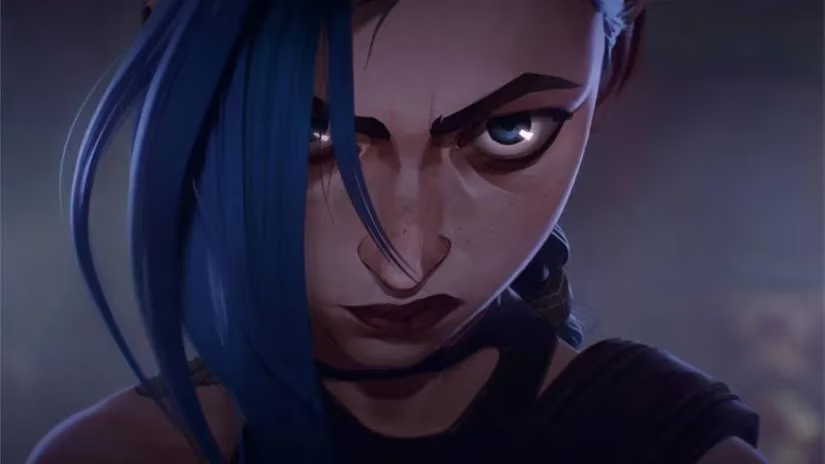
I still remember the first time I watched Arcane. The stunning animation, the complex characters, the raw emotion—it was unlike anything I'd seen from a video game adaptation. In 2026, with two full seasons and a legacy that continues to grow, my love for the show hasn't diminished. But as a longtime gamer and critic, I can't separate the art from the troubling reality of its creator, Riot Games. The company has a dark history of toxicity, and no amount of beautiful storytelling can erase that.
 -1.jpg?&fit=crop&w=1600&h=900)
Back in 2018, a Kotaku exposé revealed a culture of sexual harassment and discrimination at Riot. Women were mocked, belittled, and passed over for promotions. It was a gut-wrenching read. The fallout led to lawsuits, a $10 million settlement for affected women, and promises of diversity initiatives. Yet many saw that settlement as hush money, a cheap price for silencing voices. Riot's reputation was damaged, but the company kept churning out hits: League of Legends, Valorant, and of course, Arcane.
I'm not naive. I know that many of the things I love—games, movies, shows—come from corporations with problematic pasts. Disney, Activision Blizzard, Ubisoft... the list goes on. But that doesn't mean I should stay silent. In fact, it's precisely because I care about this medium that I need to hold these companies accountable.
The success of Arcane is undeniable. It's a Netflix phenomenon that drew in millions who had never touched League of Legends. Its queer representation, its stylish visuals, its emotional depth—all of it deserves praise. I'm proud of the animators, writers, and artists who poured their souls into it. But I also recognize that their brilliance exists within a system that has failed so many.
| Aspect | What I Love | What Concerns Me |
|---|---|---|
| Arcane | Groundbreaking animation, LGBTQ+ rep | Produced by Riot Games |
| Riot Games | Innovative games, esports | Toxic culture, lawsuits, low settlement |
| Industry | Growing awareness | Slow systemic change |
It's a complicated dance. I can cheer for Arcane while demanding that Riot do better. I can celebrate the show's achievements while reminding myself that the women who suffered deserve justice. TheGamer, where I occasionally contribute, took a stand by limiting coverage of Activision Blizzard games until real change occurs. That's the kind of action I respect.
 .jpg?q=50&fit=crop&w=825&dpr=1.5)
In 2026, the conversation around ethics in gaming is louder than ever. Social media, streaming, and fan communities have made it harder for companies to hide their misdeeds. But we still have a long way to go. The $10 million settlement from Riot? It's a drop in the bucket compared to the profits from Arcane and Valorant. Real change means structural reform: transparent hiring, accountability for executives, and a culture that genuinely values all employees.
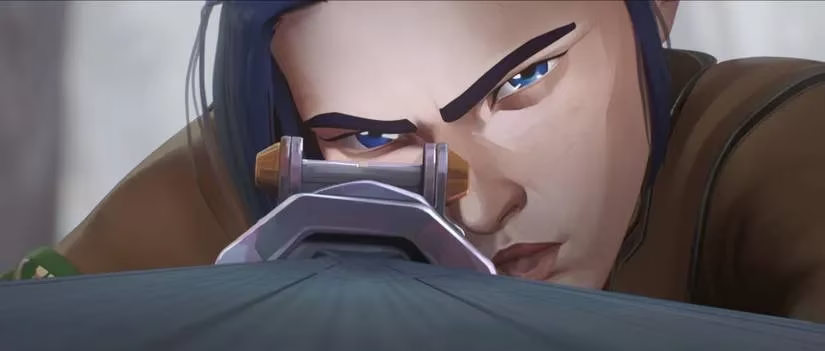
So what do I do? I watch Arcane. I marvel at Jinx and Vi's story. I recommend it to friends. But I also talk about Riot's past. I support organizations that fight for workplace equality. I remind myself that my enjoyment doesn't have to mean complicity. As consumers, we have power. We can demand better. We can celebrate art without forgetting the people behind it.
It's not about feeling guilty for loving something. It's about being aware. The gaming industry is made of real people—dreamers, artists, coders—who deserve safe and fair workplaces. If we ignore that, we're part of the problem. If we speak up, we might just push for the change we need.
Here's what I try to do as a fan:
-
🎮 Support games and shows while criticizing the companies that make them.
-
📢 Amplify voices of those who were harmed.
-
💬 Engage in conversations about ethics in gaming.
-
🛑 Avoid giving a free pass to toxic behavior just because the product is good.
In the end, I'll keep watching Arcane. I'll keep hoping for a third season. But I'll also keep hoping that Riot Games becomes a company I can fully admire. Until then, I'll hold both truths: the show is a masterpiece, and its creator has a lot to answer for.
That's the balance I strive for. It's messy, it's uncomfortable, but it's necessary. Because if we stop caring about the people behind the pixels, we lose something essential about what makes this medium worth loving in the first place. 🎮✨